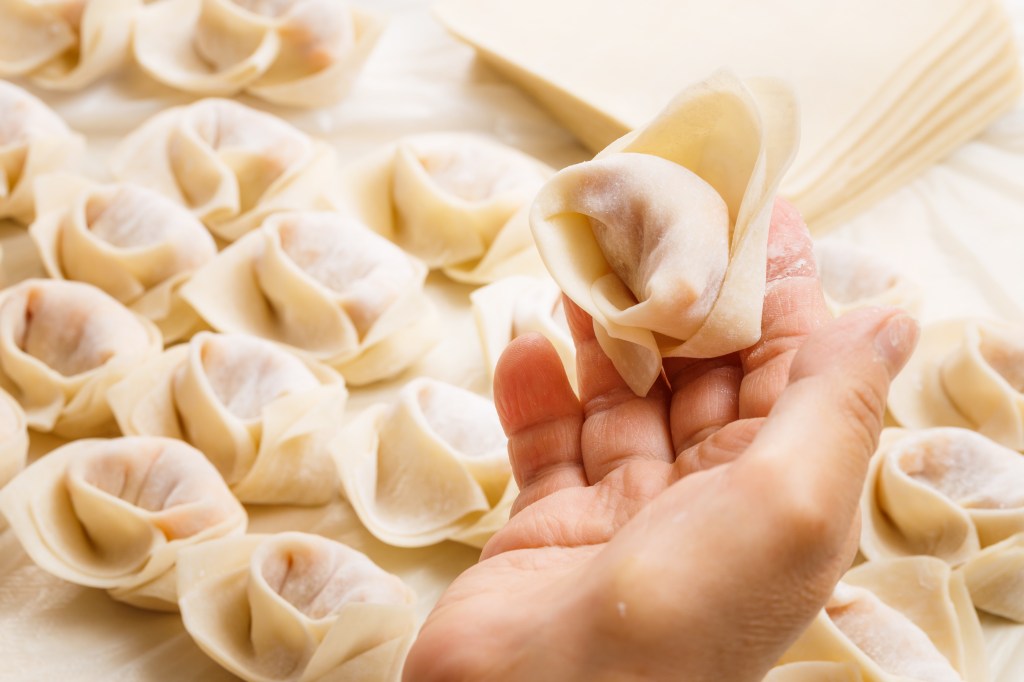
Pockets of Change offers a unique and engaging approach where cooking and eating together is at the centre of all DEI&B trainings. A space for fostering deeper connections.
Trainings are tailored to your organisation’s needs and wishes. You don’t need to have any previous experience with cooking or DEI&B initiatives to enjoy Pockets of Change.

Team Building:
Pockets of Change is designed to improve interpersonal relations, communication, and collaboration within your team. Cooking and eating together have been integral parts of human culture and society throughout history, serving as essential practices for building and maintaining social bonds. Together, we will foster a sense of unity, trust, and mutual respect among team members by:
- Improving Communication: Encouraging open, clear, and effective communication to ensure team members can share ideas, provide feedback, and resolve conflicts efficiently.
- Enhancing Collaboration: Promoting cooperation and teamwork to achieve common goals and complete tasks more effectively.
- Building Trust: Establishing trust among team members so they feel comfortable relying on each other and working together towards shared objectives.
- Boosting Morale: Increasing team spirit and motivation through enjoyable and rewarding activities that create a positive work environment.
- Identifying Strengths and Weaknesses: Helping team members understand their own and each other’s strengths and areas for improvement, allowing for better role allocation and support.
- Promoting Problem-Solving Skills: Developing critical thinking and problem-solving skills by engaging in activities that require teamwork and collective decision-making.
- Fostering Inclusivity: Creating an environment where all team members feel valued, respected, and included, promoting diversity and equity within the team.
Building a collective
DEI&B culture:
Collectively defining what diversity, equity, inclusion, and belonging (DEI&B) mean to an organisation is a crucial step in creating a cohesive, effective, and sustainable DEI&B strategy. Together we will explore how to create an environment where team members feel safe to express their ideas, concerns, and identities without fear of negative consequences. Here are several reasons why this process is important:
- Shared Understanding and Alignment: A collective definition ensures that everyone in the organisation has a consistent understanding of what DEI&B entails. This helps to align efforts across departments and levels. We will touch on what behaviours, practices, and policies are expected. It removes ambiguity and sets a standard for the entire organisation.
- Measuring Progress and Accountability: With a shared understanding of DEI&B, the organisation can set specific, measurable goals and objectives. This makes it easier to track progress and assess the effectiveness of DEI&B initiatives. Clear definitions provide a basis for holding team members accountable for their DEI&B commitments. It helps to ensure that everyone is working towards the same standards and expectations, as well as the ability to self-reflect, apologise, make amends, and change harmful behaviours.
- Empower and Motivate: Every team member is given the chance to contribute to defining and maintaining the DEI&B culture. When everyone see that their perspectives are valued and included in the organisation’s DEI&B definitions, it can increase their motivation and dedication to these efforts. All diverse voices are heard and valued, which can enhance a sense of belonging among employees.
Cultural Sensitivity Training:
Foster understanding and appreciation of cultural differences by reflecting on one’s own cultural customs and traditions. Through sharing the importance of these with your team members, you can grow respect for each other’s cultural differences. In turn, your team will create a culture of being more compassionate and aware of how cultural norms, values, and background can lead to misunderstandings. To foster a more sensitive, inclusive and harmonious workplace, we will focus on:
- Awareness of Cultural Differences: Understand how one’s culture influences the way we perceive the world and what we may perceive as “normal”. Consider cultural norms, values, backgrounds and histories.
- Self-Awareness: We will reflect on our own cultural identities and how we interpret behaviours, communicate, and interact with others. We will consider how personal cultural identities may clash with those of team members.
- Communication Skills: Consider what your verbal, non-verbal, feedback, and conflict preferences are and how they may be influenced by your culture. Become aware of diverse expectations of what team members feel most comfortable with in order to create a culture that everyone feels comfortable in, and to minimise misunderstandings.
- Inclusive Practices: We will touch upon how the team can respectfully celebrate diverse cultural events and holidays. As well as how to ensure that all team members have equitable access to opportunities for growth, development, and participation.
- Conflict Resolution: Learn how to centre empathy, patience, and open-mindedness whilst resolving cultural conflicts. This will aid in overcoming misunderstandings due to cultural differences, as well as create a team culture of growing together.
Cross-Cultural Communication Training:
Enhance your team’s ability to communicate effectively across cultural boundaries. Diverse teams from different cultural backgrounds encompass differing communication styles and cultural norms. Together we will foster a culture of empathy, respect, and open-mindedness towards diverse perspectives. By attaining a deeper understanding and appreciation for cultural differences you will improve communication skills needed to communicate effectively and respectfully across cultures. This aids in reducing miscommunication and conflicts arising from cultural misunderstandings. We will build upon:
- Cultural Awareness and Understanding: Recognise and appreciating the differences and similarities between cultures within your team. Grow your awareness of your own cultural biases and how they influence your perceptions and interactions with other team members.
- Communication Styles: Reflect on how you and other team members use language, non-verbal cues, and other communication methods. This includes direct vs. indirect communication, high-context vs. low-context communication, and the use of silence, gestures, and facial expressions.
- Building Cultural Competence: Begin to attain the ability to interact effectively with people from different cultural backgrounds. This involves understanding cultural differences, developing cultural awareness, and applying this knowledge in interactions.
- Conflict Management in a Cross-Cultural Context: Understanding how cultural differences influence conflict and think about strategies to resolve it effectively.
- Promote Empathy and Respect: Deeply understand and value the perspective and experiences of team members. This will foster more trust and mutual respect within your team – building genuine connections and showing respect for cultural differences.
Implicit Bias Training:
Become more aware of your biases that are formed by how one processes information based on unconscious associations and feelings, even when these are contrary to one’s conscious or declared beliefs. Together we uncover and address unconscious biases that can affect decision-making and interactions in the workplace. By recognising one’s own biases, you understands their impact, and learn techniques to mitigate them, promoting fair and equitable treatment for all team members. The training will encompass:
- Understanding Implicit Bias: Implicit biases are one reason why people often attribute certain qualities or characteristics to all members of a particular group. It is important to remember that implicit biases operate almost entirely on an unconscious level. While explicit biases and prejudices are intentional and controllable, implicit biases are less so. Biases, nevertheless, create preferences or an aversion for a person or group based on their identities – in turn affecting decisions and judgments.
- Become Aware of Implicit Biases: We will interact in activities that help us become more aware of our own implicit biases, and think about how they might influence our behaviours and decisions.
- Skill Building: This will be an introduction to some exercises and strategies your team can utilise to reduce implicit biases.
Gender Sensitivity Training:
We will dive deeper into how gender roles have been socially constructed in different cultures, and how those social constructions often contribute to inequalities or unfair distribution of opportunities. Unchecked gender issues can manifest in various forms and impact the work environment, productivity, and overall employee well-being. We will begin to think about inclusive policies and proactive measures to promote gender equality in your team. We will do this by:
- Defining Terminology: To understand and discuss gender sensitivity, you need to have the vocabulary for it. We will touch upon what gender, sex, gender identity, gender expression, sexual orientation, and gender spectrum is.
- Awareness of Gender Biases: You will interact with activities that aid in reflecting upon implicit biases and stereotypes within different cultures. As well as reflect on how they impact individuals and society.
- Promote Gender Equity: We will collectively acknowledge policies and practices that can be implemented in the organisation. As well as how to create an inclusive environment, such as using gender-neutral language and creating gender-inclusive facilities.
Conflict Resolution Training:
This training is especially important in diverse teams where differences in perspectives, communication styles, and cultural backgrounds can lead to misunderstandings and conflicts. Transform conflicts into opportunities for growth and learning, by learning strategies and techniques for resolving conflicts in a constructive manner. This is how you will improve relationships and foster a more cohesive team:
- Understand Conflict: Become aware of what constructive and destructive conflicts are and the impacts they have. As well as the different levels of conflict, whether they are (intrapersonal conflict), between two parties (interpersonal conflict), between groups (intergroup conflict), and between organisations (organisational conflict).
- Conflict Resolution Skills: You will provided tools and knowledge on how to actively listen and apply effective communication.
- Build Trust and Accountability: Foster a culture of trust, respect, and collaboration, leading to more effective conflict resolution outcomes and stronger team dynamics. Understand how trust is intertwined with taking responsibility for actions, acknowledging mistakes, and commiting to finding mutually beneficial solutions.
Classes will be held in English, with some German translations when needed.
 Pockets of Change